In Vedic astrology (Jyotish), Kaal Sarp Yoga is said to be present when all seven classical planets sit on one side of the axis formed by Rahu and Ketu in the birth chart. Many astrologers associate it with delays and struggle, and recommend a shanti (pacifying) pooja. Kaal Sarp Shanti (also written Kalsarp or Kaal Sarpa Shanti) is that pooja: a focused morning of worship of the Naga devatas, of Rahu and Ketu, and of Lord Shiva as Tryambakeshwar.
If you have been told you have Kaal Sarp Dosh, it is natural to feel anxious. Our approach is calm and honest. We will look at your details if you wish, explain what the ritual involves, and perform it carefully and with devotion. We will never tell you that a pooja guarantees a particular outcome; what we can offer is a ritual done properly, in a sacred place, with a clear explanation of every step.
Why at Trimbakeshwar
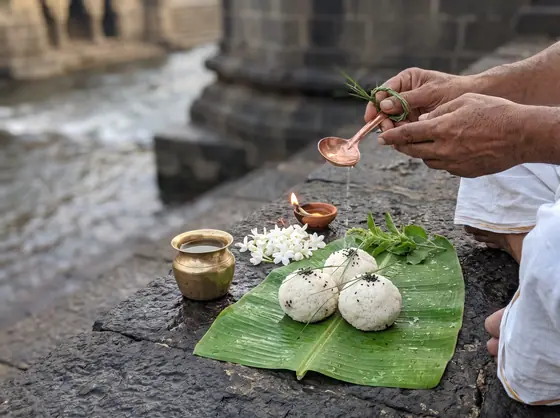
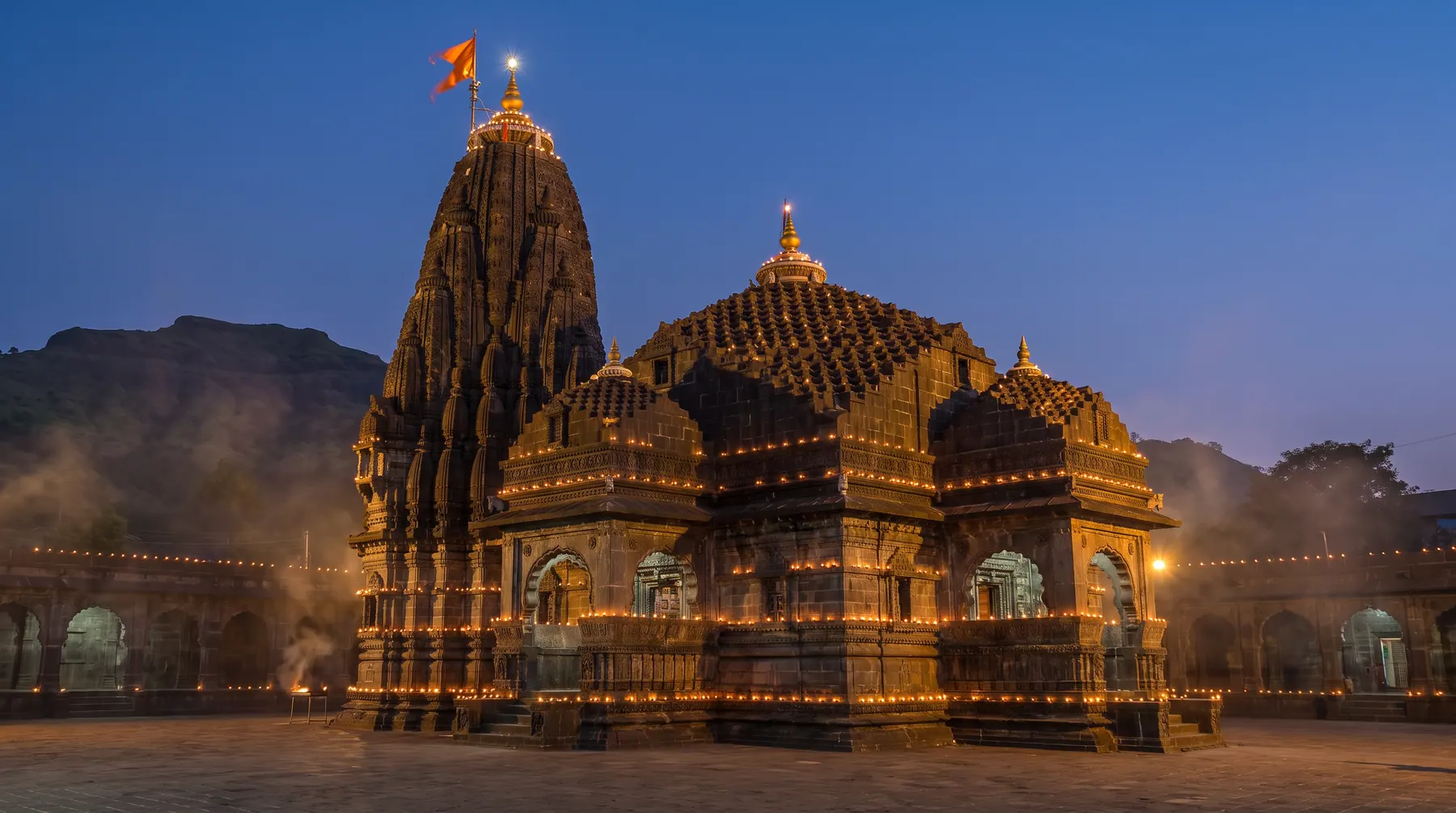
Trimbakeshwar has become one of the places most sought after for Kaal Sarp Shanti. It is one of the twelve Jyotirlingas, where Shiva, who wears the serpent as an ornament, is worshipped as Tryambaka, and the ritual traditions of Trimbak's purohit families include Naga worship alongside the ancestral rites the town is known for. Devotees also value beginning the day with a bath at Kushavarta Tirth, at the source of the Godavari.
Significance
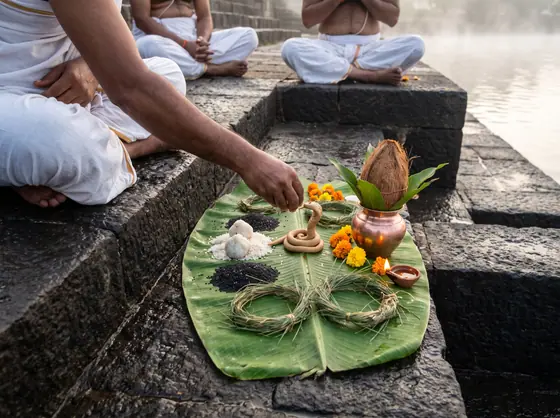
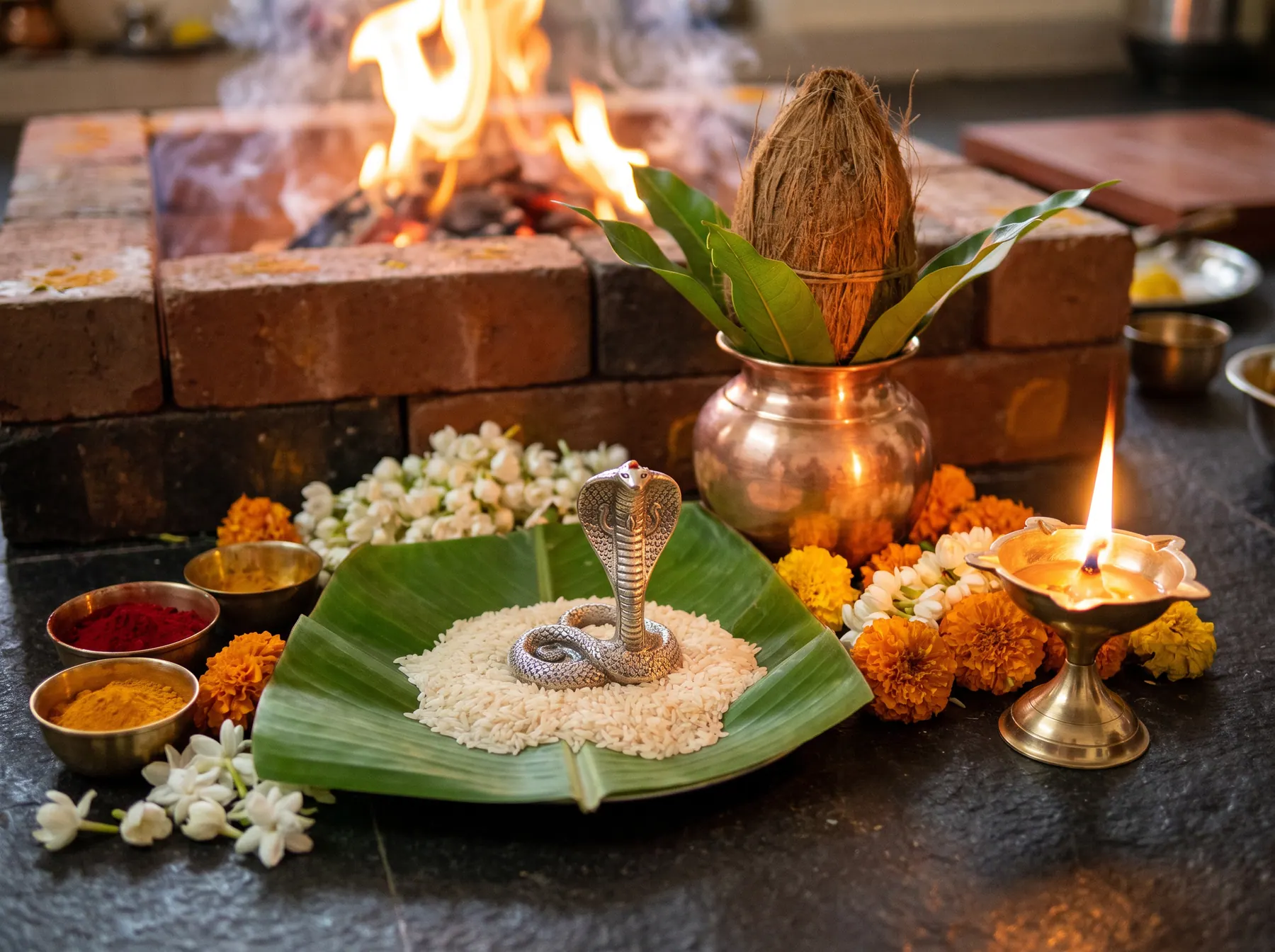
The ritual brings together three strands of worship. Naga pooja honours the serpent deities, who are revered across India (Nag Panchami is still celebrated in homes and temples everywhere). Rahu and Ketu shanti, within a Navagraha pooja, is offered to the two nodes of the Moon that define the yoga. And Rudra worship places the whole ritual before Lord Shiva. Traditionally, serpent images (often in silver, and sometimes one in gold) are worshipped, and the ritual ends with their offering and immersion as the pandit directs.
Astrologers describe twelve forms of Kaal Sarp Yoga, named after great serpents (Anant, Kulik, Vasuki, Shankhpal, Padma, Mahapadma, Takshak, Karkotak, Shankhachud, Ghatak, Vishdhar and Sheshnag), according to the house in which Rahu sits.
In the scriptures
We prefer to be accurate here. Kaal Sarp Yoga is not described in the foundational classical texts of Jyotish such as the Brihat Parashara Hora Shastra; it appears to have emerged from later astrological practice, and today it is very widely followed. The ritual itself is built from long-established elements of worship: Naga pooja, the Navagraha shanti, and the worship of Shiva with Vedic Rudra mantras.
Why devotees perform it
This pooja is usually performed by people whose horoscope has been read as showing Kaal Sarp Yoga (full or partial), and by those who have been advised a Rahu-Ketu shanti. Some devotees with no astrological advice simply choose it as an act of devotion at Trimbakeshwar. The person whose chart it is normally sits for the pooja; a married couple can sit together, and parents can perform it on behalf of a young child. If you are unsure whether you need it at all, share your birth details and we will tell you honestly what we see.
- When an astrologer has identified Kaal Sarp Yoga in the birth chart
- Seeking the blessings of the Naga devatas and of Lord Shiva
- Offering shanti to Rahu and Ketu during a difficult planetary period
- Praying for steadiness during long delays in work, marriage or family matters
- As an act of devotion at a Jyotirlinga, alongside darshan of Lord Tryambakeshwar
- Parents praying for the well-being of a child whose chart shows the yoga
How the pooja is performed
Bath at Kushavarta
The morning begins with a holy bath at Kushavarta Tirth, after which you change into clean clothes for the pooja.
Ganesh pujan and sankalp
The pandit begins with Ganesh pujan and punyahavachan, then guides you through the sankalp in your name and gotra, stating the purpose of the shanti.
Navagraha and Rahu-Ketu pooja
The nine planetary deities are invoked and worshipped, with special prayers and mantras for Rahu and Ketu.
Naga pooja
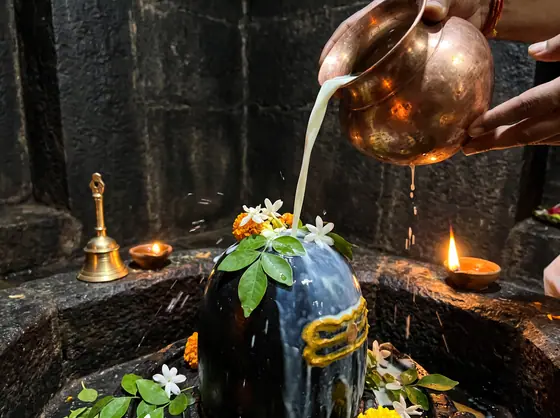
The serpent images are installed and worshipped with abhishek, flowers and mantras, honouring the Naga devatas.
Rudra worship and havan
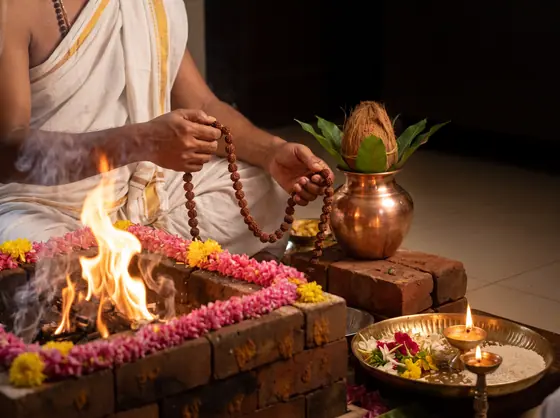
Prayers to Lord Shiva with Vedic Rudra mantras follow, with a havan as the pandit directs.
Aarti, offering and blessings
The pooja closes with aarti, the offering of the serpent images as tradition directs, and blessings. Many devotees then take darshan at the temple.
Before you come
- Arrive the evening before if you are travelling from outside Nashik; the pooja starts early in the morning. We will confirm the exact time on WhatsApp.
- Clothing: clean, preferably new, traditional clothes; white is commonly worn. Men usually wear a dhoti and upper cloth, women a saree or salwar suit. Black is traditionally avoided. Bring a change of clothes for after the bath.
- Bring: a photo ID, and your birth details or horoscope if you have them (not compulsory).
- Food: many devotees eat light sattvic food the day before and come for the pooja without a heavy meal. This is traditional guidance; if you have a health condition, follow your doctor's advice.
- Please tell us privately about sutak in the family, menstruation on the planned date, or pregnancy, so we can advise you or move the date.
What we arrange
- Pooja samagri for the shanti
- The pooja performed by our family pandits, with guidance at every step
- Sankalp in your name and gotra
- A look at your horoscope details before booking, if you wish
- Help choosing a suitable date
Dakshina covers the pooja as described. Ask us about samagri and stay.
Questions devotees ask
How much does Kaal Sarp pooja cost at Trimbakeshwar?
The current dakshina is shown at the top of this page, and what it covers is listed under What we arrange. A small advance may be requested to confirm your date. Please ask us about anything not listed before you travel.
How long does the Kaal Sarp Shanti pooja take?
About 2 to 3 hours on a single morning. Allow extra time for the bath at Kushavarta beforehand and for darshan afterwards.
How do I know if I have Kaal Sarp Dosh?
It is read from the birth chart: all seven planets lying on one side of the Rahu-Ketu axis. Send us your date, time and place of birth and we will tell you honestly what we see. Many charts show only a partial yoga, and we will say so.
Which day is best for Kaal Sarp pooja?
Many devotees prefer days such as Nag Panchami, Amavasya, Mondays or the month of Shravan, but the pooja can be performed on most days of the year. We choose a suitable date with you from the panchang. Read our guide on Kaal Sarp pooja dates for more.
Can husband and wife do the pooja together?
Yes. The person whose chart shows the yoga is the main performer, and a spouse can sit alongside. A single person can also perform it alone.
Can parents perform it for a child?
Yes, for a young child the parents can take the sankalp on the child's behalf. For older children and adults, it is better that they come and sit for it themselves.
Is one pooja enough?
Most devotees perform it once. We do not push repeat rituals; if you are considering it again, talk to us first and we will give you an honest view.
Are there rules to follow after the Kaal Sarp pooja?
There are no frightening rules. Many families keep to sattvic food for a day or two and avoid harming snakes; some offer prayers on Nag Panchami each year. The pandit will mention any customs at the end of your pooja.
Can it be done during periods or sutak?
Traditionally, one does not sit for the pooja during sutak after a birth or death in the family, and women traditionally do not sit for it during menstruation. Customs vary, so tell us privately and we will help you choose another date if needed.