Pitru Dosh is the term used in Jyotish and in family tradition for a feeling, or an astrological indication, that the ancestors are not at peace, often because their rites were missed, incomplete or forgotten over time. Many families hear the term from an astrologer and come to us unsure what it means or what to do next.
Pitru Dosh Nivaran Pooja is a focused half-day pooja that brings together the core acts of ancestral worship: tarpan, pind daan, prayers to Lord Vishnu and the pitru devatas, and daan. It is a meaningful way to honour your ancestors at Trimbakeshwar. It is also a good place to start a conversation with us: if your situation points more towards Tripindi Shraddha or Narayan Nagbali, we will tell you plainly.
Why at Trimbakeshwar
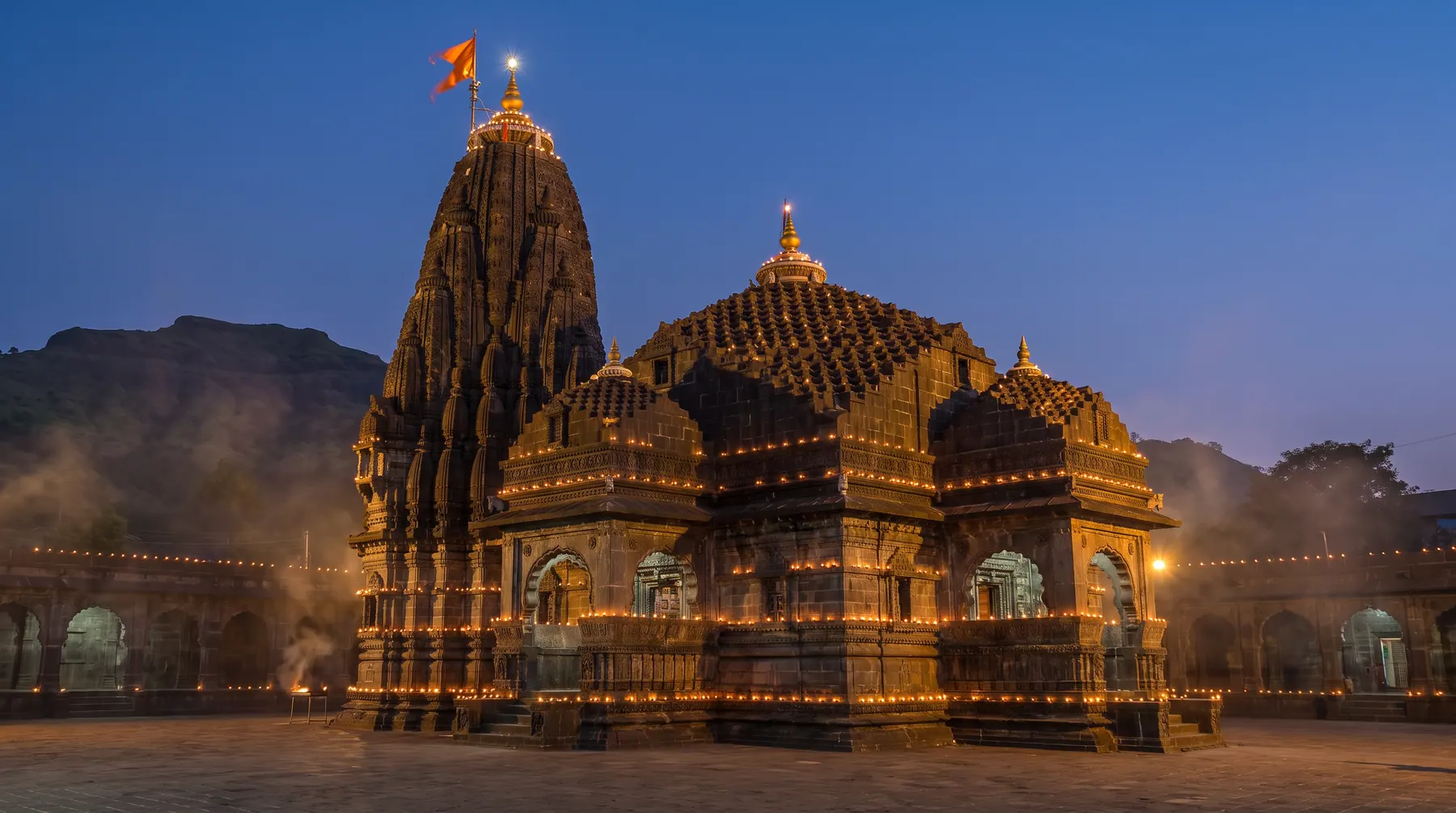
Trimbak has been a centre of pitru karya for centuries. The Godavari, revered as Dakshin Ganga, rises here, and Kushavarta Tirth is regarded as its sacred source. Offering tarpan and pind daan at the source of a holy river carries deep meaning in Hindu tradition, and the purohit families of Trimbakeshwar are especially experienced in ancestral rites.
Significance
Hindu tradition speaks of three debts every person carries: to the gods, to the sages and to the ancestors (pitru rina). Remembering the ancestors through tarpan and shraddha is how that last debt is honoured. When these rites lapse over years or generations, many families feel it as an unease, and astrologers may read it in the horoscope as Pitru Dosh. This pooja renews the bond: water and sesame are offered, pindas are given, and the ancestors are remembered by name wherever names are known.
In the scriptures
Tarpan, shraddha and pind daan are described in the Puranas, notably the Garuda Purana, and in the Dharmashastra literature, which treat remembrance of the ancestors as a lasting duty of the household. The idea of the three debts (rina-traya) is an old one in Vedic thought. "Pitru Dosh" as an astrological label is a later usage, but the rites performed for it are among the oldest in Hindu practice.
Why devotees perform it
Families usually come for this pooja when an astrologer has mentioned Pitru Dosh, when ancestral rites have been missed for some time, or when they simply wish to honour their ancestors at a sacred place. It can be performed by men and women, married or unmarried, and family members are welcome to join. If you are unsure whether this pooja, Tripindi Shraddha or Narayan Nagbali suits your situation, ask us. We will explain the difference honestly.
- When an astrologer has indicated Pitru Dosh in the horoscope
- Renewing ancestral rites that have lapsed over the years
- Remembering grandparents and forebears by name at a sacred river source
- Seeking the blessings of the ancestors before a marriage, a new home or another new beginning
- Praying for peace and harmony in the family
- Honouring the pitru rina, the debt every family owes its ancestors
How the pooja is performed
Holy bath and sankalp
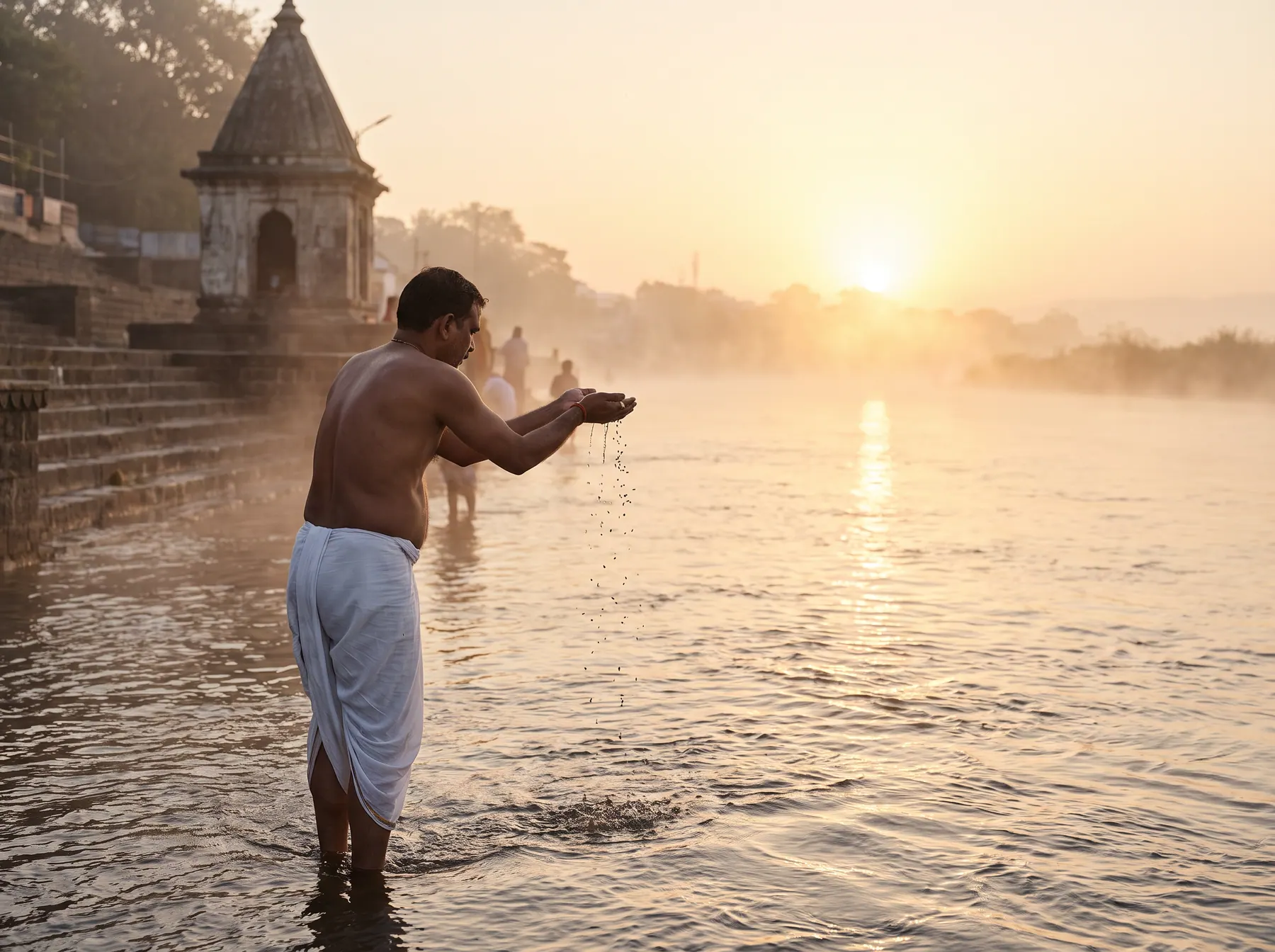
After a bath at Kushavarta Tirth, the pandit guides you through the sankalp in your name and gotra.
Ganesh pujan and invocation
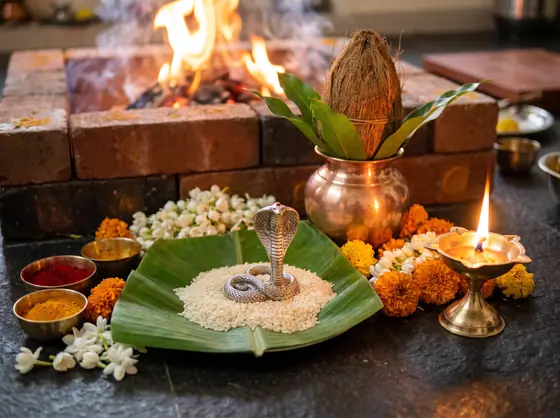
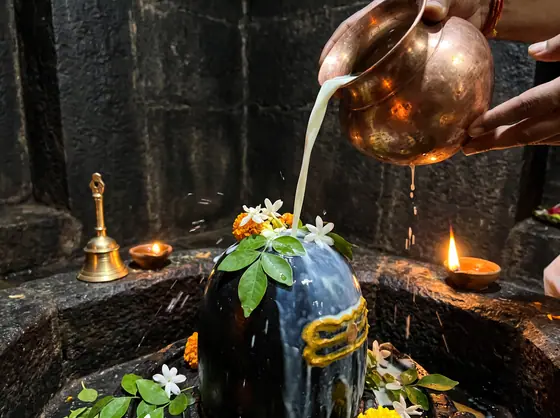
Ganesh pujan and kalash sthapana are followed by prayers to Lord Vishnu and the invocation of the pitru devatas.
Tarpan
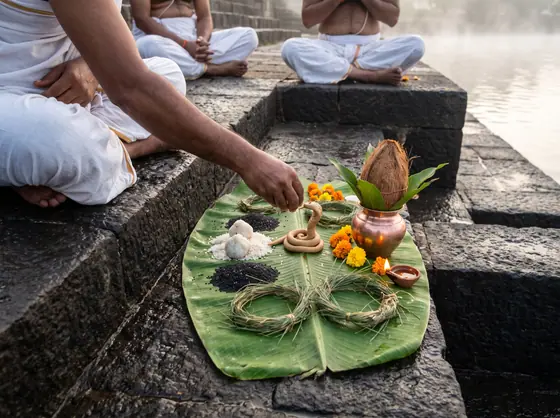
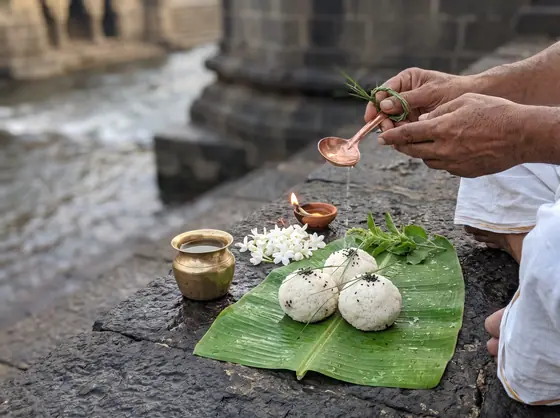
Water with black sesame is offered for the ancestors on the father's and mother's sides, naming them where known.
Pind daan
Pindas are prepared and offered to the ancestors with the prescribed mantras.
Daan and conclusion
The pooja concludes with daan, offerings for cows, crows and the needy where possible, and prayers for the family.
Before you come
- Arrive the evening before if travelling from outside Nashik; the pooja is performed in the morning. We will confirm the time on WhatsApp.
- Clothing: white or light-coloured traditional clothes; avoid black. Bring a change of clothes for after the bath.
- Bring: a photo ID, and the names of departed family members on both sides if you know them. Photographs of departed family members are welcome but not required.
- Food: simple sattvic food the day before is traditional.
- Please tell us privately about sutak, menstruation on the planned date, or pregnancy, so we can advise you or change the date.
What we arrange
- Pooja samagri for tarpan and pind daan
- The pooja performed by our family pandits, with guidance at every step
- Sankalp in your name and gotra
- A call before booking to understand your situation and suggest the right rite
Dakshina covers the pooja as described. Ask us about samagri and stay.
Questions devotees ask
What is Pitru Dosh?
It is a term from Jyotish and family tradition for the sense, or the astrological indication, that the ancestors are not at peace, often because their rites lapsed. Astrologers read it in different ways; we are happy to look at your details and explain what we see.
Is Pitru Dosh Nivaran the same as Narayan Nagbali or Tripindi?
No. Pitru Dosh Nivaran is a focused half-day pooja of tarpan and pind daan. Tripindi Shraddha is a specific shraddha for three generations, and Narayan Nagbali is a three-day rite for untimely death and serpent atonement. Tell us your situation and we will suggest what fits.
How long does the pooja take?
About 3 to 4 hours on a single morning, plus time for the bath at Kushavarta beforehand.
Can women perform Pitru Dosh Nivaran Pooja?
Yes. Women, married or unmarried, can perform it, and married couples often sit together.
Can it be done if we don't know our ancestors' names?
Yes. Ancestors are remembered by name wherever names are known, and on behalf of all unknown ancestors as well.
What does the pooja cost?
The current dakshina is shown at the top of this page, with what it covers listed under What we arrange. A small advance may be requested to confirm your date.
Can it be done during mourning or periods?
Traditionally, one does not sit for the pooja during sutak after a birth or death in the family, and women traditionally do not sit for it during menstruation. Customs vary, so tell us privately and we will guide you.